The Ghost Invoice: When the Art You Never Got Paid For Becomes the Art Everyone Remembers
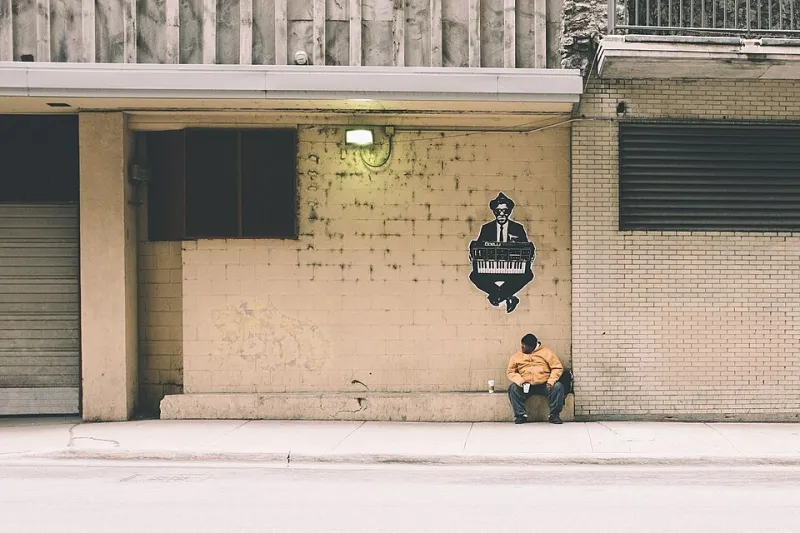
Photo: Stephan Vance stephanvancephoto, CC0, via Wikimedia Commons
Every illustrator I know keeps a folder they never talk about. Not the portfolio, not the archive of triumphs — the other one. The folder of the unpaid. The killed-on-approval. The 'we loved it, but the magazine folded' files. Mine lives on an external hard drive labeled, with the quiet bitterness only a freelancer can muster, 'FINAL_final_v7_DO NOT SEND.'
And here's the thing nobody tells you at art school: sometimes that folder is where your best work goes to wait.
The Death That Isn't a Death
When a commission dies mid-approval, it feels final. The art director stops replying. The invoice sits in 'pending' like a plant you keep watering out of obligation. You assume the piece is gone — unpurchased, unpublished, unloved. A ghost.
But commissioned art doesn't die. It just changes custody.
A few years back, I drew a cover concept for a regional lifestyle magazine — the kind you find in a dermatologist's waiting room across the Midwest. The editor loved it. The editor's boss did not. The magazine killed the piece, and, through a comedy of billing errors I still don't fully understand, I never saw a dime. I filed it away and moved on, the way you do.
Two years later, a friend texted me a photo from a group exhibition at a small university gallery in Ohio. 'Isn't this yours?' It was. The art director had left the magazine, taken her favorite killed pieces with her, and included mine in a show about 'unrealized American editorial visions.' My ghost had gotten a gallery show. I found out via group text.
The Afterlife Has Better Taste Than the Client
There's a peculiar comedy in this. The piece that wasn't worth an invoice suddenly has a wall label, track lighting, and a small crowd of grad students nodding thoughtfully in front of it. The same drawing that couldn't survive a Tuesday editorial meeting is now, technically, Museum Art.
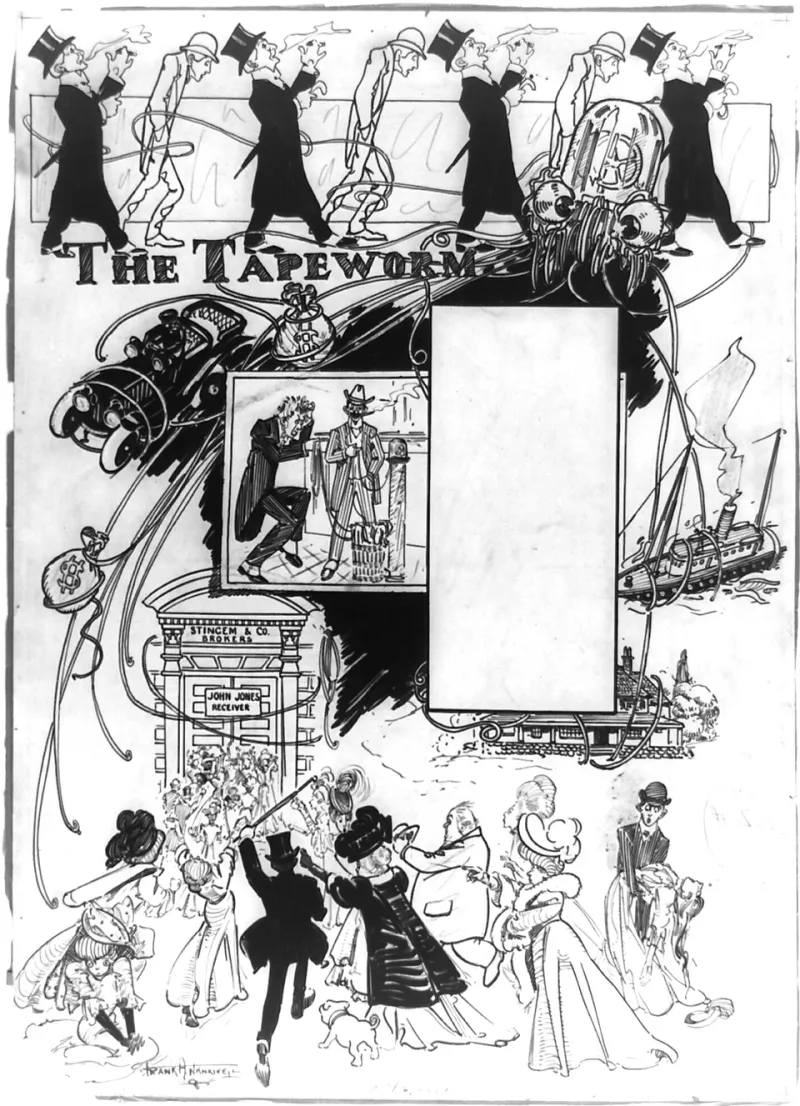
I've heard versions of this story from illustrators all over the country. A spot illustration killed from a tech quarterly that resurfaced in a book about failed startups. A rejected children's book dummy that ended up in a library's permanent collection. One friend had an unpublished New Yorker submission appear — uncredited, naturally — in a university textbook chapter about humor illustration. She was thrilled and furious in exactly equal measure, which is basically the freelancer emotional baseline.
The pattern is always the same: the work outlives the transaction. The client was renting it. You made it. And made things keep existing whether or not anyone pays the toll.
What the Ghost Owes You (and What You Owe It)
Let me be clear about the practical stuff, because Grace Illustration readers include art directors who are lovely and also people who ghost: if work is used, it should be paid for. A gallery show, a textbook, a museum wall — those are uses. Rights don't evaporate because an email thread did. Keep your contracts. Keep your invoices. Chase them, politely, even years later. The statute of limitations on resentment is much longer than the legal one, and both are on your side.
But there's a second, stranger lesson in the afterlife of killed work, and it's about how you see your own output.
When a piece dies in approval limbo, it's easy to internalize the kill as a verdict: this wasn't good enough. It usually wasn't that. Pieces die for budget reasons, for ego reasons, because a magazine folded, because someone's boss's boss had a feeling. The art itself is often the only innocent party in the room.
So when your ghost resurfaces — in a show, in a portfolio retrospective, in the 'best of the unpublished' roundup some newsletter writes in December — it's worth letting it revise the story you tell about yourself. The work was always good. The transaction just failed.
Keep the Folder. Seriously.
These days I treat my graveyard folder like a seed bank. Every six months or so I go through it, and some of the ghosts have gotten second lives: self-initiated pieces, prints at conventions, the basis of an entire pitch deck. One killed illustration became the most popular print I've ever sold at a table in Chicago. The client who didn't want it, it turns out, was just one person with one opinion on one Tuesday.
Art that outlives its invoice isn't a tragedy. It's proof that what you make has a value the market didn't manage to capture — and that sometimes the audience you never billed is the one that shows up anyway.
So here's to the ghosts. The unpurchased, the unapproved, the 'per our last email.' File them carefully. Label the drive something kinder than I did. They're not dead. They're just early to a party you haven't been invited to yet.