A Squiggle and a Date: In Defense of the Handwritten Signature
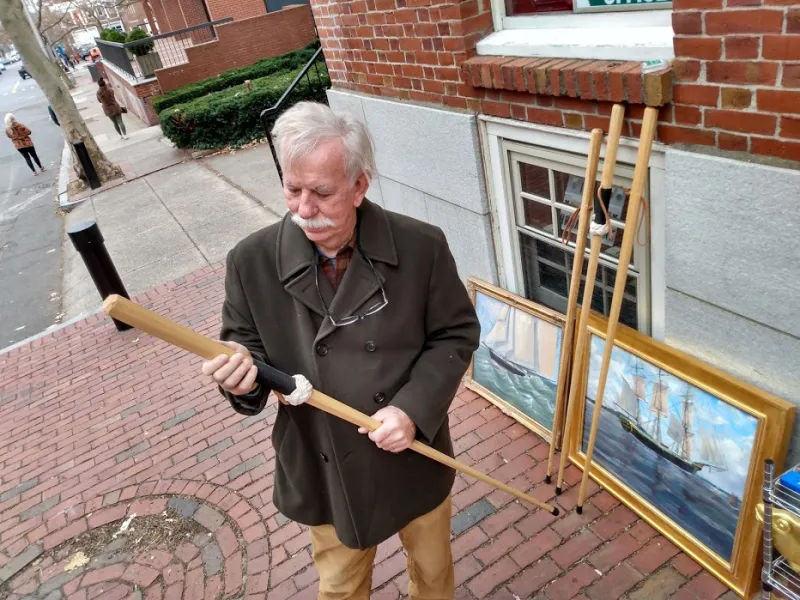
Photo: David Adam Kess, CC BY-SA 4.0, via Wikimedia Commons
The modern art feed is a marvel of efficiency. A painting appears, gets 40,000 likes, and is reposted before the paint is dry. Somewhere in that blur, the humble signature has become the last human pixel: a small, stubborn mark that says a person was here, made this, and would like a tiny bit of credit before the algorithm files it under 'content.'
This is not nostalgia for quills. It is a practical observation. In 2026, clients are scanning for proof of authorship the same way they scan for a contact page. A signature is not decoration. It is a handshake with a date on it.
The Feed Is Very Fast and Very Smooth
AI-assisted art, template culture, and the general speed of the internet have made polish cheap. What remains expensive is specificity. A signature is specific. It wobbles. It has a slant that no font quite captures. It may look like a spider fell in ink and then made a decision. That is the point.
Art directors are not detectives, but they notice consistency. They notice when a portfolio has a mark that appears across pieces, dates, and drafts. It reads as care. It also reads as evidence, which is useful when an image gets reposted without credit and everyone suddenly needs to remember who made it.
A Signature Is a Tiny Handshake
A good signature does three quiet jobs. It identifies the artist. It dates the work, if you choose to include a year. And it signals that the piece is finished enough to be claimed. That last one matters. Unsigned work can feel like a sketch that escaped. Signed work feels like a decision.
Clients may not say, 'I chose you because of your signature.' They will say they liked your style. But style is easier to trust when it has a return address.
How to Sign Without Turning the Corner Into a Diary
There is a fine line between a signature and a short story. Keep the mark readable at the size the work will actually be seen. A signature that disappears on a phone screen is charming only to you. A signature that shouts across a double-page spread is a branding emergency.
Placement matters. The lower corner is classic for a reason, but it is not a law. Tuck the mark into a shadow, a fold, or a patch of quiet color. Keep contrast low enough that it does not fight the composition but high enough that it survives compression. For social crops, consider a small initial mark and a fuller signature in the caption or alt text. For prints, sign the border if the image needs to stay clean.
Date selectively. A year can be useful for archival work and portfolio history. A full date can look like a receipt. Use your judgment, and do not let a client talk you into signing in a font. The whole point is that it is not a font.
What Clients Are Quietly Scanning For
Clients are not usually auditing signatures. They are auditing trust. They want to know that the person who made the work can be found, credited, and hired again. A consistent mark helps. So does a portfolio that does not look like a yard sale of unrelated styles with no through line.
The signature is part of that through line. It says: this is mine, this is when I made it, and this is how you reach me. It is a small act of authorship in a culture that often treats images as free-floating weather.
The Perfect Signature Is a Red Flag
A signature that looks like a corporate logo can be efficient, but it can also feel like a watermark with ambitions. The most memorable marks have a little imperfection. An extra loop. A crooked underline. A date that leans left because the paper did. That imperfection is not sloppy. It is human.
At Grace Illustration, we are not suggesting you scribble your social security number in the corner. We are suggesting that your mark should look like you made it on purpose, not like a stock overlay called 'Artist Signature 04.'
A Mark, Not a Monogram
Sign the work. Date it if it helps. Keep it small, keep it consistent, and keep it yours. The feed will keep moving. The signature stays behind, saying the one thing the algorithm cannot: a person made this, and they would like to be remembered.