Congratulations, Your Background Blob Has a Fan Club
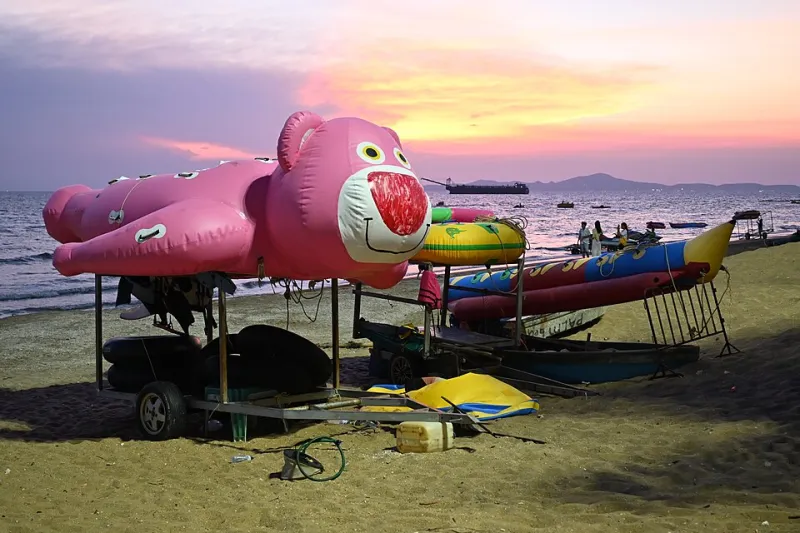
Photo: PattayaPatrol, CC BY-SA 4.0, via Wikimedia Commons
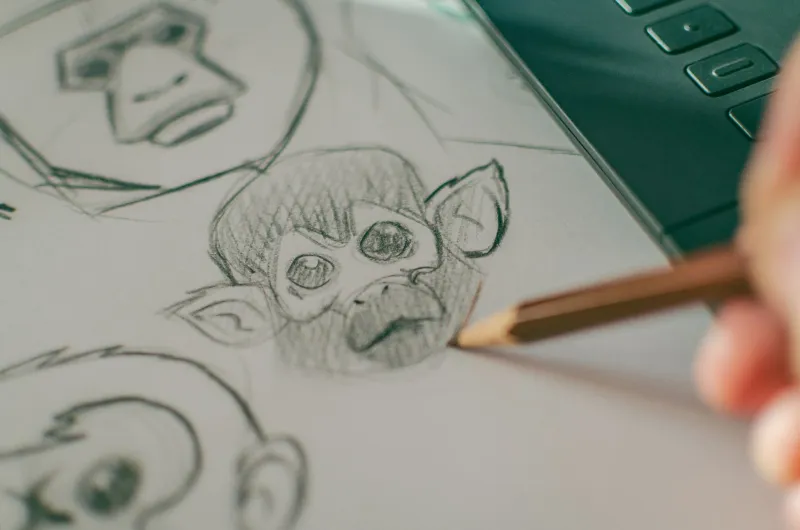
Every illustrator has a drawer, digital or otherwise, full of characters who were supposed to be furniture. A pigeon in panel three. A lumpy sea creature behind the hero. A smiling turnip that existed for exactly one email. Then a client asks for 'just one more tiny guy in the corner,' and suddenly the tiny guy has a name, a backstory, and a merchandise schedule.
This is the accidental mascot. It is not a crisis. It is a character-design plot twist, and like most plot twists, it goes better if you notice it before the plush sample arrives.
The Assignment Was 'Tiny and Ignorable'
Accidental mascots are born in the margins. They start as background texture: a three-eyed bird, a nervous dumpling, a raccoon holding a sandwich for no narrative reason. The client loves the main illustration, sure, but the comments keep drifting toward the little creature near the footer. Within a week, someone has given it a nickname. Within a month, it has a dedicated Instagram highlight. Within a season, it is on a sticker sheet.
At Grace Illustration, we treat this as a delightful occupational hazard. The problem is not that the character got popular. The problem is that popularity starts sending invoices you did not draft.
The Moment the Doodle Gets a Name
A name is the first sign that a one-off is becoming a brand. The second sign is when the client says, 'We were thinking the mascot could attend the conference.' Mascots do not attend conferences. They get licensed for conference materials, which is a different sentence with better paperwork.
When a background character starts recurring, pause and define the relationship. Is this still part of the original assignment? Is it a new character design? Is it a licensed brand asset? Those are three different jobs wearing the same tiny hat. Say so kindly, in writing, before the fan club elects officers.
A Mascot Is a Brand With Eyebrows
Clients often think they are asking for more drawings. What they are actually asking for is consistency. A recurring character needs a mini style guide: proportions, facial expressions, approved colors, line weight, and rules for what the character would never do. Would the blob wear shoes? Does the turn ip have a catchphrase? Can the raccoon hold anything besides a sandwich? These sound like silly questions until four vendors draw four different raccoons and one of them looks like a real estate agent.
Build the mini bible early. Keep it short. One page is enough. You are not writing lore for a streaming series; you are preventing chaos at the printer.
Licensing Is Not a Vibe. It Is a Fence.
When a mascot starts appearing on mugs, tote bags, social posts, and a local bank's promotional calendar, you need a license. A friendly email is not a license. A license says where the character can go, for how long, in what formats, and what happens when the client wants to put it on a billboard in Ohio.
Common options include extended usage for the original client, merchandise rights, and exclusivity. Exclusivity costs more because it closes doors. Merchandise rights cost more because the character may end up on a hoodie with a strange fit. If the client wants to sell plush toys, that is a lovely ambition and a separate conversation with a separate number.
Rate Card, Meet Tiny Guy
Your rate card should already account for character design. If it does not, update it in 2026 and pretend you always had a line item for 'recurring mascot upkeep.' A one-off background creature is priced as part of an illustration. A recurring character with a style guide, pose sheet, and approval cycle is a design project. A licensed mascot with merchandise rights is a brand asset. None of these should be priced by vibes and a hopeful Venmo request.
Also decide how you feel about revisions on a character who now has fans. Fans are wonderful. Fans are not a revision committee. The client still gets the revision rounds in the contract, not a public poll.
Portfolio Balance: Do Not Let the Blob Eat the Menu
A surprise hit is a gift, but it can hijack your identity if you let it. If every inquiry starts with 'Can you draw the little guy?', your portfolio may begin to look like a mascot factory with a side hustle in editorial art.
Keep the mascot in its own section if needed. Show it, celebrate it, and then show the work you want more of. A portfolio is a menu, not a hostage negotiation. You can love the blob and still remind art directors that you also draw serious editorial pieces, character ensembles, and the occasional moody landscape without a single googly eye.
The Graceful Handoff
The happiest ending is not refusing the mascot or marrying it. It is a clean handoff. The client gets a character bible, approved assets, and clear usage terms. You get credit, payment, and the right to say, 'The blob and I are close, but I am not its full-time emergency contact.'
If the fan club wants T-shirts, let the licensing conversation begin. If the client wants a sequel, quote it. If the internet wants a name, fine, but make sure the paperwork knows the name too. Accidental mascots are charming because they are unexpected. Your business does not have to be.